Sky Pencil Japanese Holly Hardiness Zones: Where Will It Thrive?
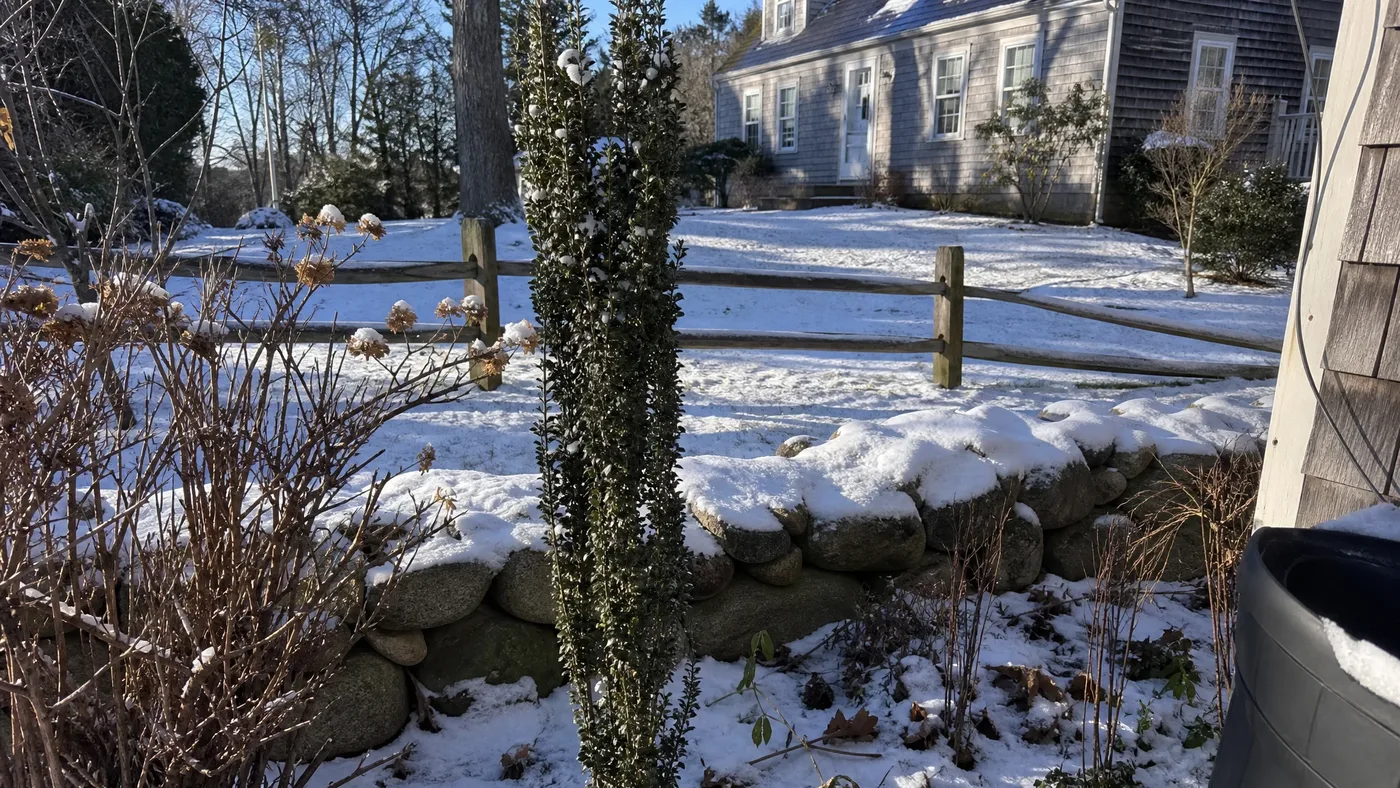
Most Sky Pencil problems we see start the same way. Someone checks the zone map, sees their number, and plants in an open, windy spot without thinking about the site. Two winters later the column is bronzed, leaning or bare at the tips.
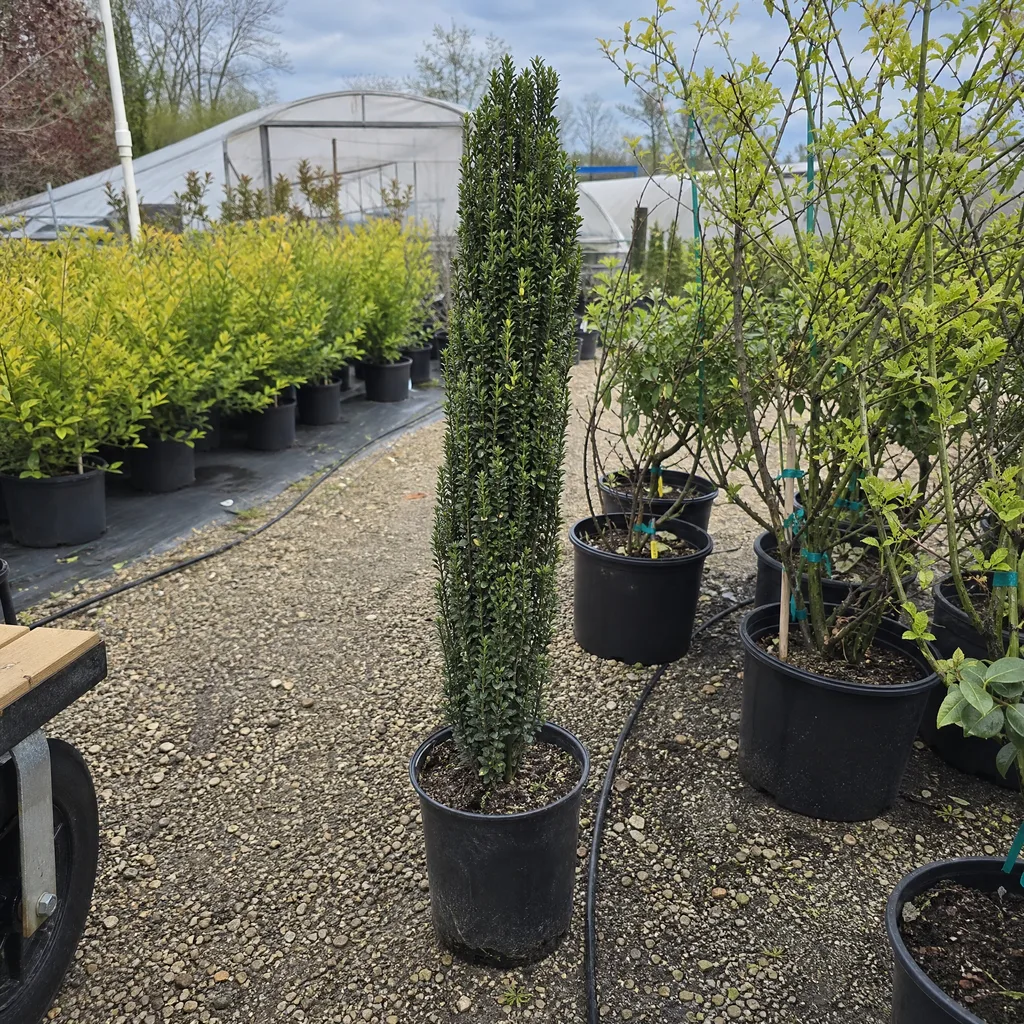
Sky Pencil is a slow, narrow evergreen holly that stays only 1–3 feet wide, so every plant stands alone and any flaw shows. Placed well, it gives you a tidy green accent in every season, year after year.
Below, you'll find out all about Sky Pencil hardiness, including the real zone range, how to handle winter bronzing and dieback, what zone 8 heat does to it, and when and how to plant in your zone.
Sky Pencil Hardiness Zones: Where It Grows and Where It Struggles
The most common mistake we see is trusting the zone number alone. Find your zone first, then treat it as a range of risk and adjust for your site.
What USDA hardiness zones is Sky Pencil Japanese Holly rated for?
NC State lists Sky Pencil for zones 5a through 8b, and Oregon State says it is hardy to USDA Zone (5) 6. What we tell customers is to treat zones 6 and 7 as the sweet spot. Zone 5 works with shelter, and zone 8 works with some afternoon shade. If you sit at either edge, check with your local extension service before planting.
One piece of common advice we don't follow is wrapping established plants in burlap every fall. Burlap treats the symptom. We pick the site first, because a plant behind a fence or wall needs no wrap, while a plant on an open slope keeps bronzing even with one.
Zone 5 and Zone 9 Limits
Can Sky Pencil Japanese Holly grow in zone 5?
Zone 5 winters can be challenging for Sky Pencil, and while some plants survive, they may not thrive or maintain their tight columnar shape consistently. Winter damage, foliage bronzing, and occasional twig dieback become more likely in zone 5, particularly in exposed or wind-prone sites. If you're in zone 5 and want to grow Sky Pencil, prioritize protection from harsh winds and select a sheltered microclimate on your property.
Is Sky Pencil Japanese Holly suitable for zone 9?
While some zone 9 gardens report success with Sky Pencil, it is not a reliable choice for zone 9 climates, particularly in the hotter, lower-elevation portions of that zone. The plant's evergreen foliage and narrow form make it better suited to the cooler, more stable winters of zones 6-8. If you're in zone 9, consult your local extension office or a regional nursery to assess the risk before planting.
Winter Care for Sky Pencil at the Cold End of the Range
Cold is where most zone 5 and 6 plantings go wrong. Work through these points before the first hard freeze, and see our winter care guide for cold climates for more detail.
How cold can Sky Pencil Japanese Holly tolerate?
Sky Pencil is hardy to the winter temperatures typical of USDA zone 6, where minimum lows dip to around -10 to 0 degrees Fahrenheit in most years. Below that range, survival becomes less certain, and even if the plant lives, winter injury and persistent bronzing or dieback of the foliage may occur. Soil moisture, snow cover, and wind exposure all affect the exact cold threshold in your garden.
Winter Foliage Bronzing and Recovery
What happens to Sky Pencil Holly's foliage in winter?
Sky Pencil keeps its dark green, narrowly columnar form through winter as an evergreen. However, foliage commonly bronzes or develops a purple tinge in cold, exposed sites, particularly during harsh freeze-thaw cycles. This color change is a natural cold response and typically reverses as temperatures moderate in spring.
In zones where winter winds are strong or temperatures drop below the plant's preference, protective positioning near a south-facing wall or behind taller evergreens can help minimize this seasonal discoloration.
How long does winter foliage discoloration last?
Bronze or purple-tinged foliage typically fades back to green within 4-6 weeks once daytime temperatures consistently exceed 50 degrees Fahrenheit in spring. If the plant is in a very sheltered, south-facing location, color recovery may occur even sooner. The timing depends on your local spring weather, but by late spring, healthy plants return to their normal dark green appearance.
What is winter twig dieback on Sky Pencil?
In cold zone 5 or during unusually harsh winters in zone 6, the fine outer twigs may die back. The plant survives, but the tips look brown or bare for a few weeks into spring.
This is not a disease but a natural response to cold stress, and new growth typically hides the damage by late spring. If dieback is extensive, prune out the dead wood once new growth begins, and consider a more sheltered spot in future seasons.
Protecting Young Plants and Branches
Do newly planted Sky Pencils need special care the first winter?
Yes, first-year plants have shallow, developing root systems and are more vulnerable to winter stress, so ensure consistent fall moisture and consider a windbreak or burlap wrap in exposed or zone 5 locations. Mulch 2-3 inches deep around the base, keeping mulch a few inches away from the stem, to insulate roots and conserve soil moisture through winter. After the first year, established plants are much tougher and rarely need ongoing winter protection in zones 6-8.
Can ice damage break Sky Pencil's branches?
Yes, heavy ice accumulation can bend or snap the brittle branches, especially if the plant is already leaning or weakened by poor light or loose planting. Unlike deciduous shrubs that shed snow naturally, the evergreen Sky Pencil holds heavy snow and ice, increasing mechanical stress. Planting in a sheltered location, staking young plants, and positioning taller structures upwind to deflect ice-laden winds help reduce this risk.
Heat, Wind and Microclimate for Sky Pencil
Heat matters as much as cold at the warm end of the range, and wind matters at both ends. Match the plant to the exact spot, and use our sun requirements guide if you are unsure about exposure.
How do microclimates affect Sky Pencil's hardiness?
Microclimates within your garden can shift effective hardiness by roughly a half zone. A plant in a wind-protected corner on the south side of a house may thrive, while the same plant in an open, north-facing spot freezes out or leans badly.
Elevation, proximity to water, surrounding vegetation, and building heat all create local temperature and moisture variations. Before planting, assess your specific site for sun exposure, wind direction, and protection from nearby structures or evergreen windbreaks.
What wind exposure is safe for Sky Pencil Holly?
Harsh winter winds increase foliage bronzing, dehydration, and the risk of the narrow plant leaning or splaying open. Siting Sky Pencil behind a fence, wall, or taller evergreen screen is ideal. The plant can handle moderate air movement but not exposed, gusty locations typical of hilltops or windy corridors. If your garden is naturally windy, create a windbreak or choose a more sheltered planting position.
Handling Zone 8 Heat and Water
One of the most common questions we get is whether zone 8 is too hot for Sky Pencil. It isn't, but in our rows the plants that hold the darkest green in the South are the ones with afternoon shade and steady moisture.
Does Sky Pencil Japanese Holly prefer part shade in hot climates?
Yes, part shade is often preferred in hot southern climates to reduce leaf bronzing and heat stress, which can be as damaging as cold in zone 8 and warmer areas. Full sun works fine in cooler zones 6-7, but in zone 8, afternoon shade from a taller tree or structure helps keep the foliage darker and reduces watering demands. Morning sun with afternoon shade is an ideal compromise in hot regions.
Is Sky Pencil Holly drought tolerant in hot zone 8 climates?
Sky Pencil has low to moderate drought tolerance once established, meaning it is not a good choice for unirrigated or very dry sites, even in zone 8. The plant prefers consistent moisture and does not tolerate prolonged drought, so regular watering becomes essential in hot, dry summers. In arid zone 8 locations, plan for supplemental irrigation during dry spells and mulch around the base to conserve soil moisture.
Growing Sky Pencil in Containers
Can Sky Pencil Holly be grown in containers in cold zones?
Sky Pencil is well suited to containers thanks to its narrow footprint, but cold-zone growers must provide winter root protection since container soil freezes solid much faster than ground soil. In zones 6 and colder, move containers to an unheated garage, wrap the root ball, or heavily mulch the pot to insulate the roots. Regular watering is critical because containers dry out quickly, especially in windy or sunny locations.
Planting Sky Pencil in Your Zone
Plant at the right time, in the right soil, at the right spacing, and most winter trouble never starts. Follow our planting guide for the full steps, and use these zone-specific points alongside it.
When is the best time to plant Sky Pencil Holly in zone 6?
Spring or fall are both good planting seasons in zone 6, as long as you avoid peak summer heat when young plants stress easily. Fall planting (September through October) is particularly favorable because the plant has time to establish roots before winter while top growth slows. Spring planting (March through May) also works well. Keep newly planted Sky Pencil consistently moist through its first summer.
What soil pH do I need for Sky Pencil across different zones?
Sky Pencil grows in acid or neutral soil, and does best at roughly 5.0 to 6.5 pH in every zone. This preference does not shift with climate region. In alkaline soils, the plant can develop chlorosis (yellowed leaves with green veins) that weakens it and looks unsightly.
Before planting, test your soil pH. If it's above 6.5, amend with sulfur or choose acid-loving companions like azaleas or rhododendrons.
Spacing and Companion Plants
How close can you plant Sky Pencil for a dense screen?
Space plants 1-3 feet apart, depending on the density you want now versus later. Closer spacing creates a denser early screen but may crowd plants as they mature. For a formal hedge that feels substantial even when young, plant them 1 foot apart and expect to thin or remove some plants after 5-7 years. For looser individual accents, use the wider 3-foot spacing. Our spacing guide for hedges and privacy screens goes further.
What companion plants grow well with Sky Pencil in zone 7?
Sky Pencil pairs beautifully with shade-tolerant companions like hosta, azalea, fern, heuchera, and hydrangea, all of which share its preference for consistent moisture and acidic soil. These underplantings also help anchor the narrow Sky Pencil visually and soften the starkness of a tall screen. All of these companions are reliably hardy in zone 7 and create a cohesive, layered garden aesthetic.
Quick Reference: Sky Pencil Hardy Zones at a Glance
This table sums up how Sky Pencil behaves in each zone, from winter risk to summer care.
| Zone | Suitability | Winter Considerations | Summer Care |
|---|---|---|---|
| Zone 5 | Risky, requires protection | Dieback and severe bronzing likely, windbreak essential | Full sun to part shade, consistent moisture critical |
| Zone 6 | Reliable, ideal choice | Minimal protection needed for established plants, new plants benefit from windbreak first year | Full sun, ensure regular watering especially first season |
| Zone 7 | Excellent, top choice | No winter protection typically needed, occasional bronze foliage only in harsh years | Full sun to part shade, less watering stress than zone 8 |
| Zone 8 | Good, use part shade | Mild winters, watch for heat stress in summer as much as cold | Part shade preferred to reduce leaf bronzing, supplemental water in dry spells |
| Zone 9+ | Not recommended | Unreliable, consult local extension before planting | Heat and humidity may stress the plant |
Hardiness Checklist Before Planting
Run through this list before you dig, and fix any gaps while the plant is still in its pot.
- Verify your USDA hardiness zone using a USDA hardiness zone map.
- Assess your specific microclimate: wind exposure, sun aspect, elevation, surrounding vegetation.
- Test soil pH and aim for 5.0-6.5, amending if necessary before planting.
- Plan irrigation: Sky Pencil needs regular moisture and cannot tolerate prolonged drought.
- Choose a planting location with afternoon shade in zone 8, since full sun works in zones 6-7.
- In zone 5 or exposed sites, plan for windbreak or shelter from a south-facing wall.
- Mulch 2-3 inches deep after planting and keep mulch away from the stem.
- In zones 6 and colder with container plants, plan for winter root protection indoors or with wrapping.
- For hedging, space plants 1-3 feet apart and stake young plants loosely to prevent leaning.
Matching Sky Pencil to Your Zone and Your Site
Sky Pencil is dependable in zones 6 and 7, workable in zone 5 with shelter, and fine in zone 8 with afternoon shade. The zone number gets you started, but wind, heat and moisture decide how the plant looks in year five. Pick a sheltered spot, keep the roots moist, and you rarely need to fuss with it again.
Sky Pencil Japanese Holly
Nursery-grown Sky Pencil Japanese Holly in sizes from 1-2 ft. #1 Container, shipped to your door.
From $80.55
Shop Now →Every Sky Pencil we ship is potted in a container sized for its narrow root system, kept upright and packed carefully so it arrives ready to plant. We are growers with our own farms, and we grow and sell top-quality trees, shrubs and grasses.