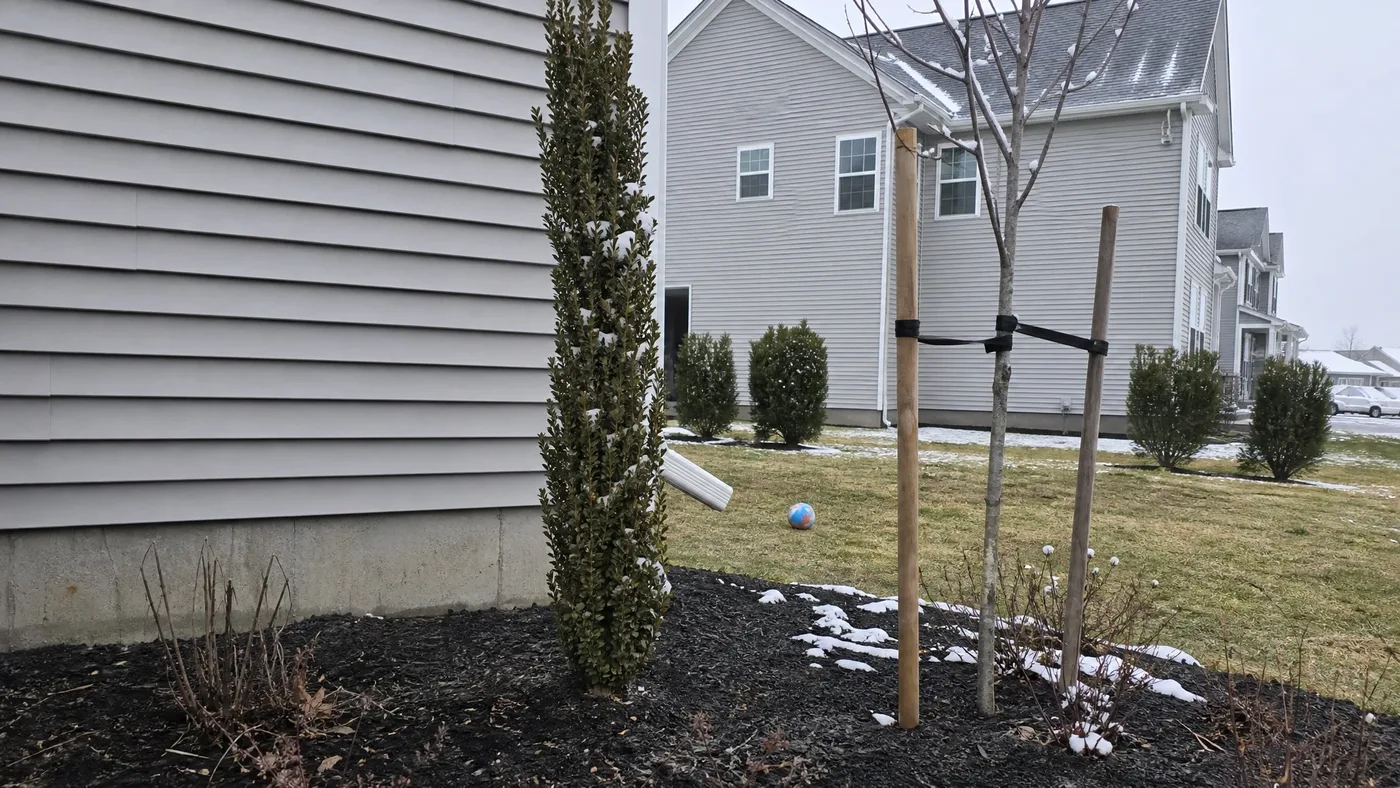
7 Common Sky Pencil Japanese Holly Problems and How to Fix Them
It is mid-October, the days are shortening, and your Sky Pencil has just come through a summer of growth. This is a good time to walk the planting and think about what the next twelve months will throw at it.
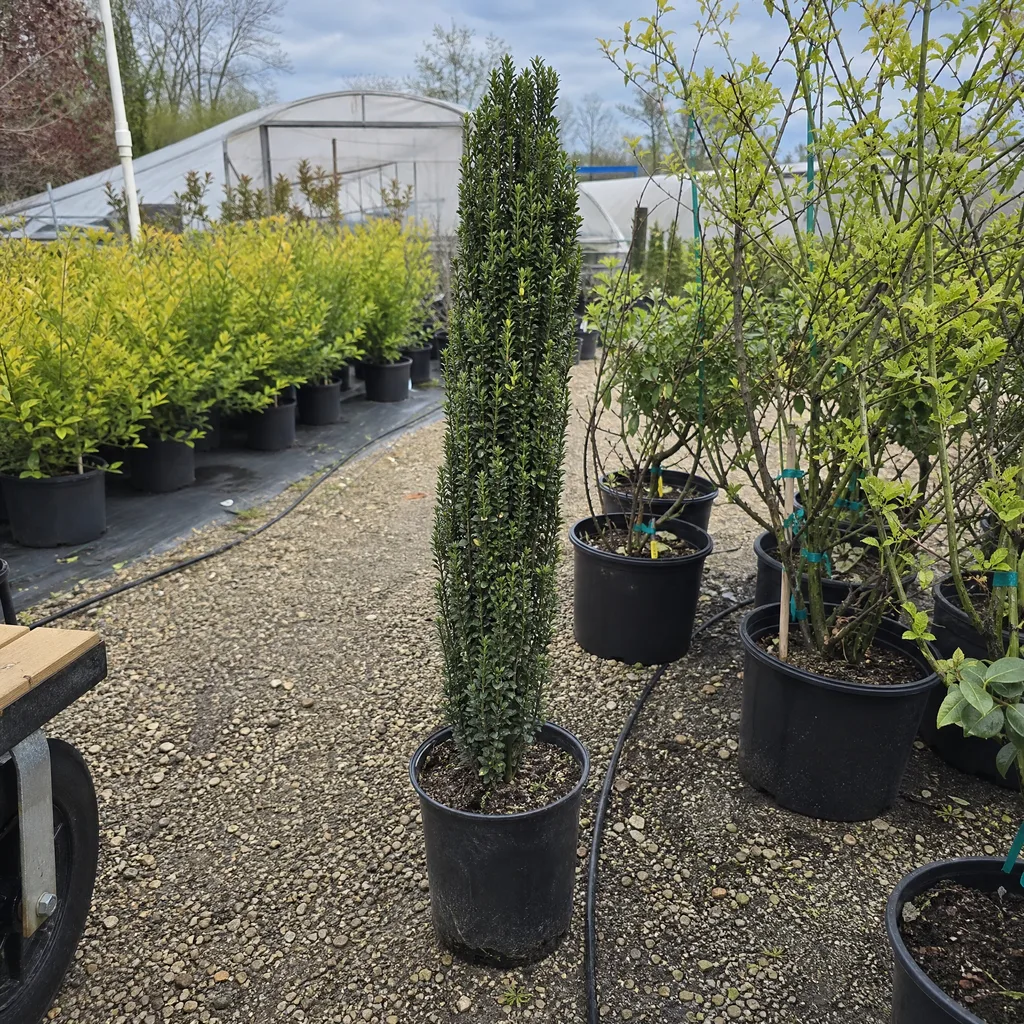
This article talks about the seven problems we see most on Sky Pencil Japanese Holly, in the order they show up through the year, and answers the questions customers ask us most. Read on to learn why leaves bronze in winter, why the column splays under snow, how to spot scale, spider mites and chlorosis, and what to do about root rot and shade stretch.
A Sky Pencil is a slim evergreen exclamation point, so one flopped or yellowed plant in a row shows from the street. Catch trouble early and the column will hold its shape for years.
Winter Bronzing and Leaf Browning on Sky Pencil
Winter is the first test, and it is the one customers call us about most. Here is what the color change means and when to worry.
Sky Pencil foliage naturally takes on a purple or bronze tinge in cold, exposed sites during winter. This isn't always a disease or pest problem, it's a stress response to harsh weather. The cultivar is listed as hardy in zones 5a through 8b, but prolonged cold snaps combined with drying winds can still trigger bronzing. The discoloration typically appears on foliage facing south or southwest, where temperature swings are most extreme.
The good news: this bronzing usually fades when spring warmth arrives. However, severe browning (not just discoloration, but actual leaf death) signals that your site may be too exposed or your plant is stressed by another factor. If the browning persists into late spring or affects the entire plant, investigate whether the soil is drying out or if the site lacks wind protection. A quick scratch test on a stem shows whether living green tissue remains.
Practical takeaway: Plant in a spot sheltered from wind, and give extra protection if you're in zone 5 or 6. Keep soil consistently moist through winter, without waterlogging, so the plant handles cold better. One piece of common advice we don't follow is wrapping the whole column in burlap. Bronzing is cosmetic, and a wrap hides early signs of pests. Our winter care guide covers cold-climate protection in more detail.
Snow and Ice: Why Your Sky Pencil Splays Open
Heavy snow is the second winter problem, and unlike bronzing it can change the plant's shape for good.
One of the most frustrating problems with Sky Pencil Japanese Holly is when the naturally narrow columnar form starts to splay or lean open, especially after a heavy snowfall, wet ice storm, or in low-light conditions. The weight of accumulated ice or wet snow can push the stems outward, and if your plant is in partial shade or deep shade, it may stretch toward available light, losing its tight upright form.
Once the stems splay, they rarely spring back to the original shape. Prevention is the best strategy. If you live in a zone 6 or 7 where snow and ice are common, consider using soft ties or tree guards to gently hold the stems together during winter. In shadier sites, the plant may never achieve the tight columnar form you're after, consider moving it to full sun or part shade (full sun is better in cooler zones).
Practical takeaway: Plant in full sun if you want to maintain the narrow, columnar silhouette. If your plant has already splayed open, light pruning can remove the most wayward stems, but plan for a year or two of recovery. In snowy climates, use soft tree ties during winter to prevent ice and snow damage.
One of the most common questions we get is whether to cut a splayed Sky Pencil back hard to reset it. We don't recommend it. Hard cuts leave gaps that a slow-growing plant takes years to fill, so remove only the worst stems and read our pruning guide before you reach for the shears.
Late Winter: Leaf Miners and Scale Insects on Sky Pencil
As winter ends, the pests that overwintered on the stems get ready to wake up. Late winter is when we spray, before new growth hardens.
Leaf miners and scale insects are secondary pests that attack stressed plants more readily than healthy ones. Leaf miners create serpentine tunnels inside leaves, making them look disfigured. Scale insects attach to stems and leaves, sucking sap and producing a sticky residue called honeydew that attracts sooty mold. Both are part of the pest and disease spectrum you may meet at some point.
Both pests are easier to prevent than to cure. Stressed plants, those in drought or waterlogged soil, attract infestations more readily. Keep your Sky Pencil Japanese Holly on a consistent watering schedule: moist but not soggy, with good drainage.
If you do spot scales, a horticultural oil spray in late winter or early spring (before new growth hardens) is effective. For leaf miners, remove heavily infested leaves and dispose of them. Severe infestations are rare if the plant is well-tended.
Practical takeaway: Prevention through good cultural care is your strongest defense. Scout stems and leaves in spring. Use horticultural oil or insecticidal soap as directed if you find scales. Most home gardens see only minor infestations if the plant is healthy.
Spring Chlorosis in Alkaline Soil
When spring growth flushes, a nutrient problem shows up in the new leaves. We often see yellowing at exactly this point, and it is almost always a soil problem rather than a feeding problem.
Yellowing leaves with green veins (chlorosis) on a Sky Pencil are almost always a sign of alkaline soil. Acid or neutral soil is suitable, and we aim for a pH around 5.0–6.5. In alkaline soils above pH 7.0, the plant cannot access iron and other micronutrients, even if they're present in the soil.
This is a common problem if you've planted in compacted clay or if your site is downgradient from concrete or limestone. Check your soil pH with a simple test kit from a garden center or your local extension service. If the pH is above 6.5, you have two options: lower the pH by adding elemental sulfur or acidifying fertilizer, or move the plant to a more suitable location. Lowering soil pH takes time (several months to a year), but it works if you're committed.
Practical takeaway: Test soil pH before planting. If your Sky Pencil is already chlorotic, apply an iron chelate spray to the foliage for quick greening, then address the underlying pH problem with sulfur or a move to better soil. This isn't a quick fix, but it's manageable.
Extra fertilizer will not cure chlorosis, so skip it until the pH is fixed. Our soil guide explains how to test and amend.
Late Spring Spider Mites on Sky Pencil
As the weather warms and dries, mites move in. NC State lists spider mites as an occasional pest of this cultivar, and we start scouting in late spring. We reach for water before any spray.
Spider mites are among the most common sky pencil holly pests that home gardeners encounter. These tiny arachnids cluster on new growth in warm, dry conditions, sucking sap and causing stippled, yellowed leaves. Early signs include fine webbing on new shoots and leaves that look dusty or speckled. By the time damage is obvious, populations can explode rapidly.
Spider mites thrive in dry air and stressed plants. Check the undersides of leaves in spring and early summer with a hand lens if your plant looks unhealthy. A strong spray from the hose can dislodge many mites and is often enough for mild infestations. For heavier infestations, use a horticultural oil or insecticidal soap, following label directions and spraying the undersides of leaves thoroughly.
Practical takeaway: Keep your plant consistently watered (not soggy, but not drought-stressed). Increase humidity around the plant if possible. Scout regularly in late spring before populations build. A forceful spray of water is your first line of defense.
Summer Light: Legginess and Thinning in Too Much Shade
By midsummer you can see whether your planting site gives the plant enough light. In our rows, the plants that struggle are almost always the shaded ones.
Sky Pencil is listed for full sun (6 or more hours of direct sun), and it tolerates part shade. But extended time in deep shade leads to thinning foliage and legginess, meaning sparse growth with long stretches between leaves. The plant stretches toward light and produces fewer leaves as it struggles. This isn't a pest or disease, it's a sign the site isn't right.
Full sun gives the tightest column. If your plant gets fewer than 4 hours of direct sun, consider moving it. If a move isn't practical, accept that it won't fill in as densely as it would in better light. Pruning won't help a plant in insufficient light. In year five, a well-lit plant should be a dense pole heading toward 6–8 feet, and a shaded one will look gappy. In hot, humid zone 8 summers, watch any plant for stress.
Practical takeaway: Reassess your planting location. Move the plant to a sunnier spot if possible. If relocation isn't an option, plan for a less dense form and consider planting a different shrub that tolerates deep shade better. For detailed care guidance on light and other factors, check the full care guide.
Fall Black Root Rot (Thielaviopsis)
Fall rains bring the last problem, and it is the one we can't fix. Root rot gets going when soil stays wet, so this is the season to check drainage.
Black root rot, caused by the fungus Thielaviopsis, is the most serious disease you may encounter on Sky Pencil. This soil-borne pathogen rots the fine roots, and the first sign above ground is sudden wilting despite moist soil, yellowing foliage, and stem dieback. By the time you notice symptoms, the damage is often advanced and difficult to reverse.
The fungus thrives in waterlogged or poorly drained soil. If your plant's location stays wet for days at a time, you're setting the stage for root rot.
The best medicine is prevention. If your site is naturally wet, plant on a raised mound or choose a different location. Customers often suggest mixing in sand to fix wet clay, but we don't, because sand blended into clay can set up like concrete and hold water.
Once a plant shows signs of root rot, recovery is unlikely. Remove the plant and replace the soil in that spot before replanting.
Practical takeaway: Ensure your site has excellent drainage. If the soil stays wet after rain, dig a test hole and see how long water sits. Sky Pencil Japanese Holly needs moisture, not waterlogging. If you suspect root rot, dig carefully to inspect the roots. Blackened, mushy roots confirm the diagnosis, it's time to remove the plant and move to better soil.
Quick Reference: Problem, Signs, and Fixes
Use this table as a quick check when something looks off on your Sky Pencil.
| Problem | Early Signs | Quick Fix | Prevention |
|---|---|---|---|
| Winter bronzing | Purple or bronze leaf tint in cold weather | Wait for spring warmth and check soil moisture | Wind shelter and consistent watering |
| Spider mites | Stippled leaves, fine webbing on new growth | Strong water spray, then horticultural oil if severe | Keep plant well-watered and scout in late spring |
| Splaying form | Stems bending outward, especially after snow | Soft tree ties during winter and light pruning | Full sun placement and tied stems in snowy zones |
| Chlorosis | Yellow leaves with green veins | Iron chelate spray and sulfur to lower soil pH | Test soil pH before planting (target 5.0-6.5) |
| Leaf miners and scale | Tunnel patterns in leaves, crusty bumps on stems | Remove infested leaves and use horticultural oil in early spring | Healthy, well-watered plant and regular scouting |
| Black root rot | Wilting despite moist soil, yellowing foliage | Remove plant immediately and improve drainage | Excellent drainage and moist but not waterlogged soil |
| Legginess/thinning | Sparse leaves, gaps between growth | Move to sunnier location | Full sun, at least 4 hours of direct light |
Keeping Your Sky Pencil Slim and Healthy Year-Round
Most Sky Pencil trouble comes down to site. Give it light, drainage and soil that stays acid to neutral, tie the stems before heavy snow, and scout for mites and scale as the seasons turn. Do that and the column stays tight and green into year five and beyond.
Sky Pencil Japanese Holly
Nursery-grown Sky Pencil Japanese Holly in sizes from 1-2 ft. #1 Container, shipped to your door.
From $80.55
Shop Now →On our farms, we grow Sky Pencil in full sun rows with well-drained, slightly acidic soil and steady moisture, which is the same setup we suggest for your yard. We are growers with our own farms, and we grow and sell top-quality shrubs we would plant ourselves.