Is Your Sky Pencil Japanese Holly Dead or Just Stressed?
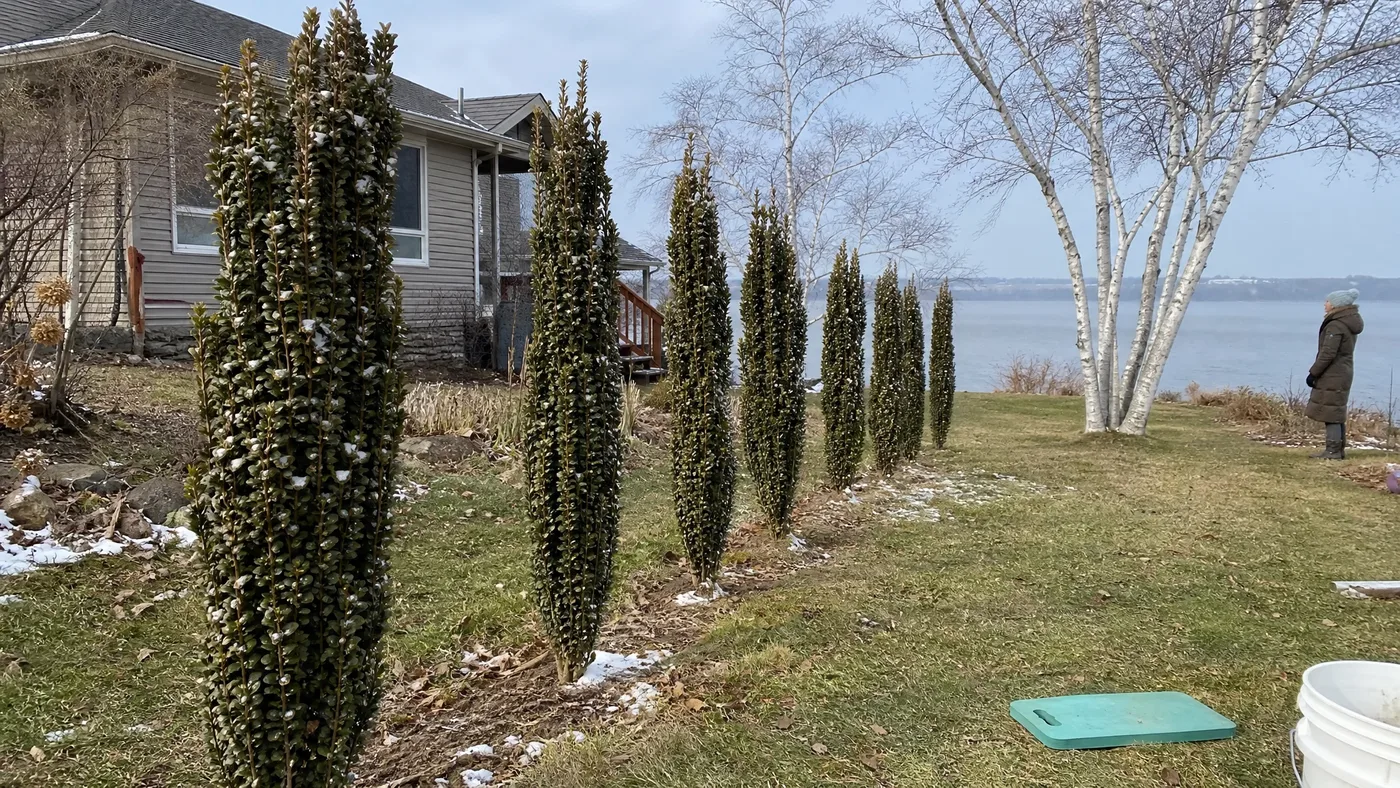
One late-winter morning we walked a row of Sky Pencil and felt our stomachs drop. Every plant was bronze and ragged, and a few were leaning like tired fence posts. We nearly pulled the whole row that March, and by June every one of them had pushed out fresh green growth from top to bottom.
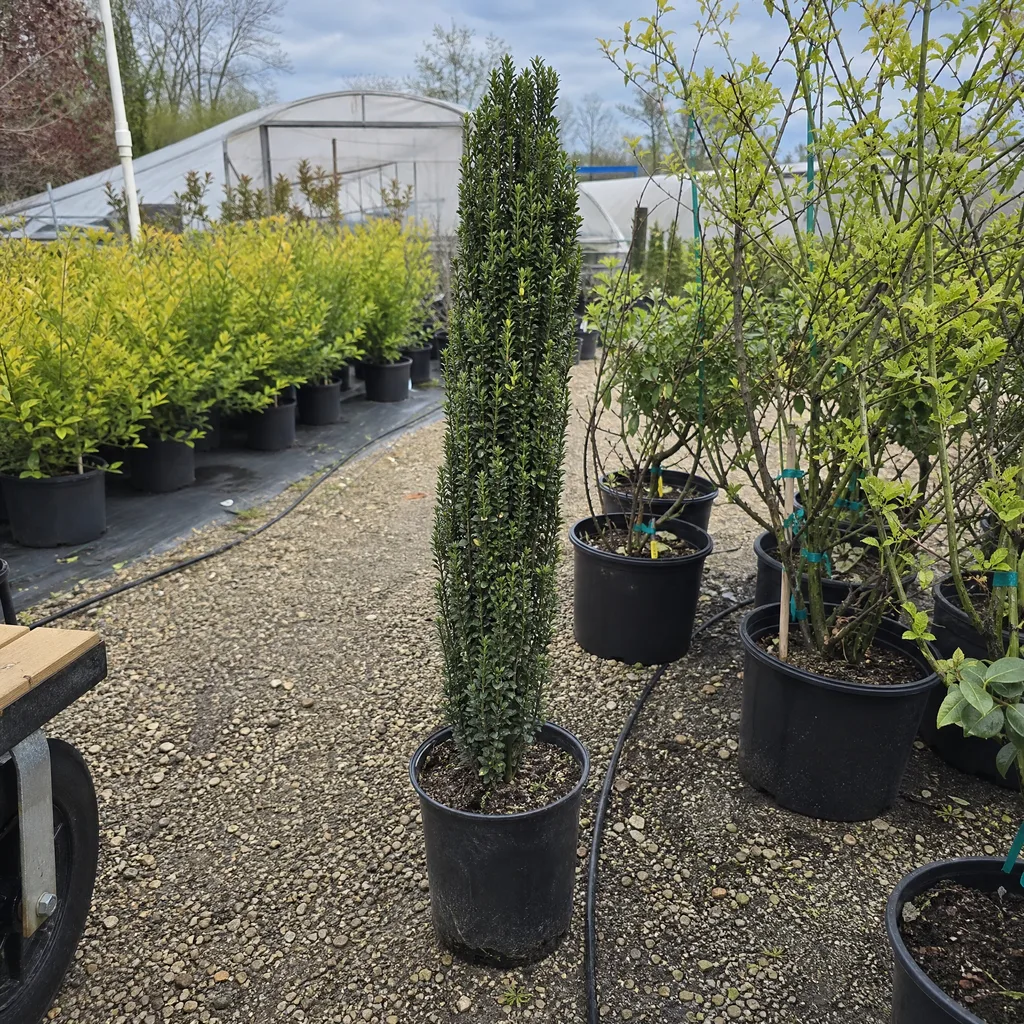
That row taught us that a holly can look finished and still be very much alive, and also that some plants really are gone. The difference is easy to read once you know where to look. Acting too early costs far more than waiting, because Sky Pencil grows slowly and a replacement starts from scratch.
In this article, we'll go through the scratch test, the four symptoms that cause the most worry (bronzed foliage, leaf drop, dead tips and a soft root crown), and how to decide between replacing a plant and waiting.
Start With the Scratch Test on Sky Pencil Japanese Holly
Before you judge the plant by its foliage, judge it by its wood. The scratch test takes almost no time and tells you more than any amount of staring at brown leaves, because the thin living layer under the bark (the cambium) stays green and damp on a plant that is only stressed. Sky Pencil grows as a bundle of slim, upright stems, so there are plenty of twigs to test.
Work through it in this order:
- Choose a stem near the top of the column and scratch a patch of bark about the size of a fingernail, using your thumbnail or the back of a knife blade.
- Look at the color underneath. Bright green and slightly moist means the stem is alive, while tan, brown or dry and papery means it is dead.
- Repeat on a stem at mid-height and another near the base, and test both the windward and the sheltered sides of the plant.
- If a stem is brown at the top, keep scratching lower down until you reach green, and note where the green begins.
- Finish at the soil line, since green wood above a rotted crown will not stay green for long.
Read the pattern rather than a single scratch. Green all the way down means stress, and the plant will usually recover on its own schedule. Green low and brown high means winter injury to the upper stems, and brown right to the soil means the plant is dead above ground, though the crown still deserves a look.
Keep every scratch small, because a slow grower has little energy to spare on a wounded stem. What we tell customers is to scratch, write down what you find, and match it to the symptoms below before you pick up the pruners.
Brown Foliage That Is Really Winter Bronzing
Bronzing is the symptom most often mistaken for death. In cold weather the glossy green leaves of Japanese holly turn dull bronze or brownish, and the color returns once the weather warms. It shows worst on plants in open, windy spots, since cold temperatures and drying winds are exactly what cause winter injury in holly.
Sky Pencil is listed for zones 5a through 8b, but it also needs protection from wind and cold with a windbreak and mulching. A tall plant only 1–3 feet wide catches wind on every side, so a column on an exposed corner will bronze long before one tucked beside a wall.
The quickest way to separate bronzing from true dieback is to compare a few signs side by side.
| What you check | Winter bronzing | True dieback |
|---|---|---|
| Scratch test | Green and moist | Tan or brown and dry |
| Leaf feel | Firm and still attached | Brittle, crisp or dropping |
| Where it shows | Whole plant, worst on the windward side | Tips or whole stems |
| Spring response | Greens up on its own | No buds break on those stems |
Bronzing needs no treatment beyond patience. Keep mulch around the base but off the crown, water well before the ground freezes if fall has been dry, and set up burlap screening on the windward side next winter. Our winter care guide covers the details for colder zones.
Common advice says to trim off the brown in March so the plant looks tidy again. We hold off, because late-spring growth shows you exactly where live wood ends, and early cuts on a narrow plant leave gaps that take years to fill.
Leaves Dropping From Sky Pencil Japanese Holly
Leaf drop frightens people more than bronzing because bare stems look so final. The first things we ask are where the leaves fell from and when. The answer sorts most cases into normal shedding or genuine stress, and the scratch test settles the rest.
Normal Shedding Versus Real Trouble
A thin scatter of older, inner leaves turning yellow and dropping in fall is the plant renewing itself, and it needs nothing from you. Heavy drop from the outer growth and the tips in the middle of the season is a different matter. That pattern points to roots that cannot supply the foliage.
Scratch a few stems while you are there. Green wood with dropping leaves points to water, soil or a recent move, while brown wood means the trouble is deeper and belongs with the sections that follow.
Water, Soil and Transplant Stress
Sky Pencil does not do well in alkaline soils or under drought, so rule both out first. Dig down a few inches beside the root zone to see whether it is bone dry, and ask your local extension service about a soil pH test if the foliage has been yellowing. A plant set out within the last year or two is the usual suspect, since its roots have not yet reached beyond the planting hole.
One of the most common questions we get is whether to water more, and the answer depends on what the soil feels like, not what the leaves look like. Too much water produces the same yellowing and drop as too little. Follow our watering schedule, and water deeply only when the root zone has started to dry.
Dead Tips and Bare Branches Inside the Column
Sky Pencil's narrow shape works against it here. With a width of just 1–3 feet there are no side branches to cover a dead patch, so every lost stem shows from across the yard. The good news is that dead tips are usually cosmetic, and a plant with green wood below them is on its way back.
Tracing Dead Tips to Winter Injury
The tallest stems stick out above snow and shelter, so they take the full force of cold and drying wind. Tips that turn brown and brittle in late winter, with green wood a little further down, are classic winter injury. Wait until growth resumes, then cut each stem back to just above the first green, living bud.
Our guide on how to prune Sky Pencil without ruining its shape shows where to cut so the column stays slim. Cut stem by stem rather than shearing, because a flat-topped Sky Pencil loses the exclamation-mark outline that makes it worth growing.
Hollow Stems and the Shade Question
Bare, thin stems low or inside the column often come from too much shade or crowding by neighbors. Sky Pencil takes sun to part shade, and in the South partial shade can help, since Georgia extension notes that Japanese hollies persist better in partial shade in zone 7. Deep shade under a tree canopy is a different story, and plants there thin out year by year.
If the stems are fanning outward or falling over, scratch them first. Green stems splayed by snow or ice can be drawn back together with a loose, soft tie, while brown ones that lean are dead and should come out at the base once new growth shows.
A Soft, Dark Root Crown at the Soil Line
This is the symptom we worry about most. Clemson Extension says Japanese hollies are very intolerant of poorly drained soils and especially prone to root rot, and it describes black root rot as a serious soilborne fungal disease that particularly affects Japanese holly. Wet feet is the cause behind most of the unexplained decline we hear about.
Pull the mulch back from the base and press the crown with your thumb. Firm bark that scratches green is healthy, while bark that is dark, soft or peeling away from the wood is not. Then expose a few roots with a trowel, looking for pale, firm roots on a healthy plant and dark, mushy ones that slip their outer skin on a rotting one.
Drainage is the fix, so treat the cause rather than the symptom. Keep mulch off the crown, and lift and replant the shrub slightly high in a mound if the roots are still mostly pale and firm. Our soil guide explains how to loosen heavy ground and add organic matter.
A fungicide drench is the advice people reach for first. We would not start there, because chemicals will not rescue roots that sit in water, and the problem returns the first wet spring unless you change the site.
When Sky Pencil Japanese Holly Is Past Saving
We would rather you wait than pull, but a few plants are truly gone, and keeping them wastes a season. The comparison below is how we advise customers to decide, based on what the wood and roots tell you.
Wait if any stem scratches green, the crown is firm, or the plant is only bronzed, bare at the tips or dropping leaves. These plants are stressed, and with the cause fixed they come back, slowly but dependably.
Replace if every stem scratches brown to the soil line after neighboring plants have leafed out, or the crown is soft and most roots are dark and mushy. A plant that lifts out of the ground with little root left is finished.
Replacement matters most in a row, because a plant that is only 12 to 18 inches across leaves a gap you can see from the street. Replace just the dead one, and fix the drainage or soil first or the new plant will follow the old one. If the spot stays soggy all spring, we would choose a different plant for that spot over repeating the loss.
Giving a Struggling Sky Pencil Japanese Holly Time to Recover
Recovery on a slow grower runs on its own clock. In colder zones, expect nothing definite until the weather has settled in late spring, and give the plant until new growth shows along the stems. Mark the lowest green point you found during the scratch test, so you can see whether the plant is moving past it.
Keep the routine simple. Mulch lightly to hold moisture and shelter the roots, water only when the root zone starts to dry, and hold off on fertilizer until fresh growth appears. Then feed lightly, as a stressed plant has no use for a heavy dose.
These are the things we advise against while you wait:
- Do not prune brown stems until new growth shows where the live wood ends, since early cuts only add to the damage.
- Do not add extra water to a plant with drooping leaves until you have checked the soil, because soggy ground makes root problems worse.
- Do not dig the plant up to check the roots every few weeks, as each disturbance sets recovery back.
- Do not move the shrub mid-recovery, unless the site is clearly waterlogged.
If the plant stays weak after the weather warms, look for mites too, which are occasional pests on it. Our guide to common Sky Pencil problems covers them and the other causes this guide leaves out.
Patience Pays Off With Sky Pencil Japanese Holly
The scratch test decides most of it. Green wood means the plant is alive, bronzing is a winter color change rather than a death sentence, and leaf drop or dead tips usually trace back to wind, water or shade. A soft, dark crown is the one sign that deserves real worry.
Our rule is simple: fix the cause, then wait. Every spring we still stand in front of the rows that looked ruined in March, and we leave the pruners in the shed until June before pulling anything out.
Sky Pencil Japanese Holly
Nursery-grown Sky Pencil Japanese Holly in sizes from 1-2 ft. #1 Container, shipped to your door.
From $80.55
Shop Now →Firm crowns and pale roots are what we look for in the well-drained, slightly acidic soil where our Sky Pencil is raised. We grow and sell top-quality shrubs, and the narrow columns we raise come through hard winters and green up again in spring. If your holly turns out to be past saving, begin again with one of ours.