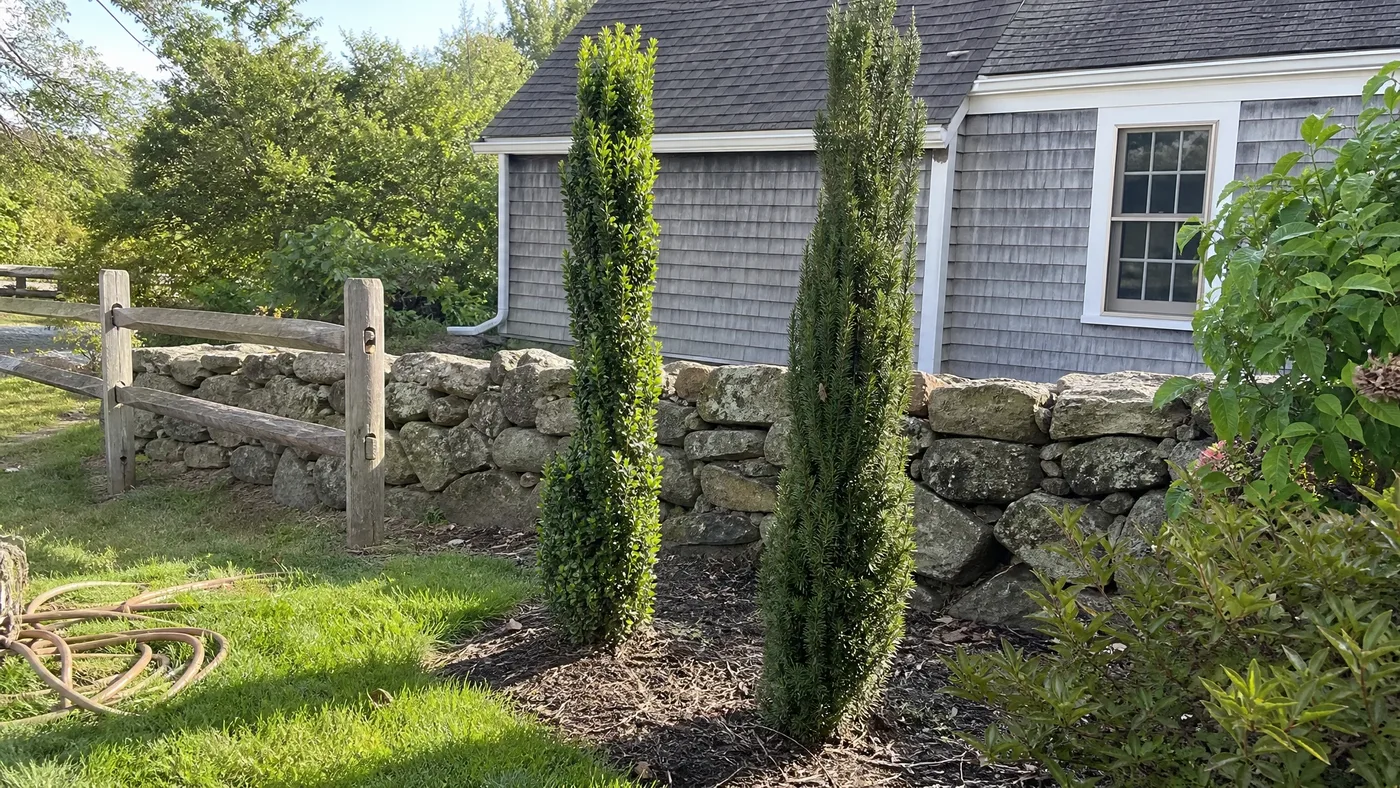
Sky Pencil Japanese Holly vs Italian Cypress: Which Should You Grow?
Plenty of people buy Italian Cypress because they love the look of a tall green pencil, then plant it in zone 6 and watch it brown out by February. It happens every year. The two plants look alike from the street, but they come from different climates, and a slim silhouette tells you nothing about which one will survive your winters.
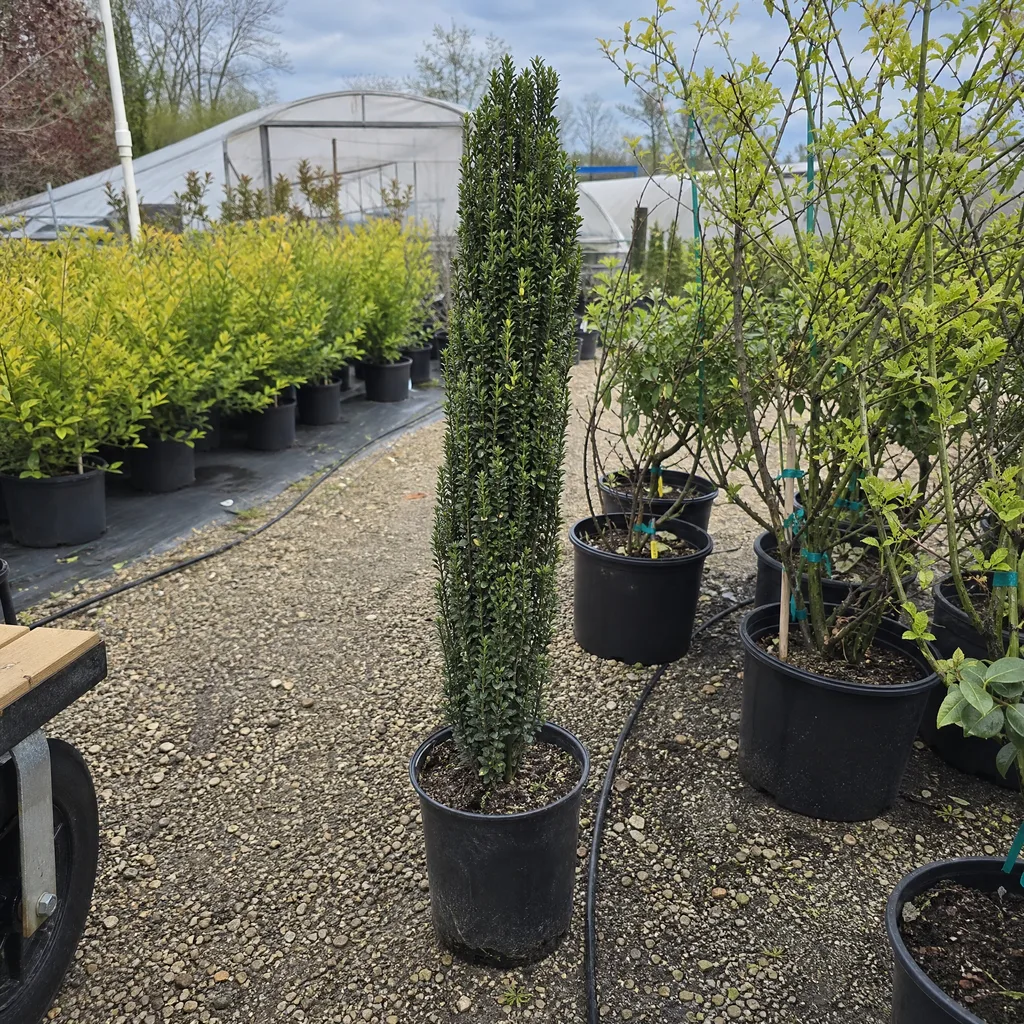
We grow Sky Pencil Japanese Holly, so we have a bias. We also hear the other side from customers who have lost cypress in a cold snap. Get the choice wrong and you pay for it in dead tops and gaps in a screen. Get it right and you have a slim evergreen column that still looks sharp in year five.
In this article, we'll go through how climate decides the winner, how each plant handles winter, water and pruning, and how much room each one needs.
Climate Compatibility: The Real Separator
This is where the comparison becomes clear. Your zip code decides far more than design preference does.
In zones 6-8 (most of the northern and central US): In zone 6, Sky Pencil Japanese Holly is the only realistic choice between the two, because Italian Cypress is hardy only in zones 7b-11. You could treat the cypress as an annual or move it to a greenhouse, but that defeats the purpose of a landscape shrub. In zones 7-8, Italian Cypress can winter over, so both are options there.
In zones 9-10 (southern California, Arizona, deep South): Italian Cypress excels. It needs less water, less fussing with soil chemistry, and grows faster. Sky Pencil is the harder sell here. NC State lists it for zones 5a through 8b and warns of heat and humidity trouble in zones 8 and 9, so in the Deep South we'd choose the cypress.
In zone 7 (borderline): Both can work with planning. Sky Pencil is the safer bet. Italian Cypress needs a warm microclimate, south or west-facing exposure, and shelter from harsh winter wind.
Some sellers tell zone 6 customers to wrap Italian Cypress in burlap and hope. We don't follow that advice. In our experience a wrapped cypress still loses its top in a hard winter, and you are left with a gap in the screen. One of the most common questions we get is whether protection is enough. For a cold site, it isn't, so we point people to the holly.
The Numbers Side by Side
This table lines the two plants up on the traits that matter most for a screen or accent planting.
| Attribute | Sky Pencil Japanese Holly | Italian Cypress |
|---|---|---|
| USDA Zones | 5-8 (reliable hardiness) | 7-10 (warm climates) |
| Winter Hardiness | Handles zone 5 winters | Tolerates 10-15°F, struggles below |
| Mature Height | 4-10 ft (often 6-8 ft) | 20-40 ft (often pruned shorter) |
| Mature Width | 1-3 ft (very narrow) | 3-6 ft (wider at base) |
| Growth Rate | Slow | Moderate to fast |
| Sun Requirement | Full sun to part shade | Full sun (critical) |
| Water Needs | Medium and regular, with consistent moisture | Low to moderate once established |
| Drought Tolerance | Low to moderate once established | High once established |
| Soil pH | Acid or neutral | Well-drained and less pH-sensitive |
| Maintenance | Minimal pruning needed (naturally narrow) | Regular pruning to maintain form |
| Winter Appearance | Retains dark green color and form | May brown or bronze in cold |
How Each One Handles Winter
Zone numbers are one thing, but what the plants look like in February is what you live with.
Sky Pencil remains dark green and upright through winters in zones 6-8. In exposed sites, foliage may take on a purple or bronze tinge from cold, but the plant survives undamaged. Heavy snow or ice can cause splaying (the branches bending outward) if the plant lacks structural support, but even this recovers.
Italian Cypress in cold zones tells a different story. Foliage browning is almost certain below 20 degrees. Branch dieback follows harsh winters. In zone 6, expect it to die back or die outright most winters. A big specimen is a lot of money to gamble on that. If you plant Sky Pencil in zone 5 or 6, our winter care guide covers snow load and exposed sites.
Sky Pencil Japanese Holly: Cold-Climate Winner
Sky Pencil Japanese Holly earns its place in northern gardens where Italian Cypress simply won't survive. This evergreen shrub usually reaches 6 to 8 feet tall (up to 10 in the best sites) but stays only 1 to 3 feet wide, giving you a living screen without the sprawl. The foliage is densely packed small oval leaves in glossy dark green, so the plant looks substantial and finished at every angle.
That narrow width is what sets the cultivar apart. The plain species, Ilex crenata, spreads 5 to 8 feet wide, so Sky Pencil is a different tool for a different job.
The appeal runs deeper than cold hardiness. Sky Pencil has a slow growth rate, so it holds its shape without constant trimming. By year five it is still a slim, tidy column, just taller. One of the most common questions we get is how fast it fills a screen, and the honest answer is slower than most people hope.
In zones 5-8 it keeps its columnar form and dark green color through winter, even in exposed sites. Sources list both full sun and part shade for it, so you have room to choose your spot. Few narrow junipers match that shade tolerance.
The trade-off is thirst. Sky Pencil needs consistent moisture and does not tolerate prolonged drought. In wet soils or poor drainage, it can develop black root rot. Alkaline soil brings chlorosis (yellowing). This plant prefers moist, well-drained soil high in organic matter, and it does best in acid or neutral soil. If your soil runs alkaline, amending it before planting saves years of struggle.
Italian Cypress: The Mediterranean Sentinel
Italian Cypress is the iconic narrow columnar conifer of Mediterranean landscapes. It grows 20 to 40 feet tall naturally (often pruned much shorter) and only 3 to 6 feet wide, creating that pencil-thin silhouette that defines European villa gardens. The texture is fine and feathery, with soft foliage in gray-green or deep green depending on cultivar.
In zones 7-10, Italian Cypress thrives with minimal fussing. Once established, it handles drought beautifully and asks little of your soil. Unlike Sky Pencil, it does not mind alkaline conditions. It will grow almost anywhere with full sun and good drainage.
But take it north of zone 7, and trouble arrives. Temperatures below 10 to 15 degrees Fahrenheit damage the foliage and branch structure. Winter bronzing is common in borderline zones. Cold wet springs cause fungal canker and die-back. If you garden in zone 6 or colder, Italian Cypress either requires winter protection or will not make it through most winters.
Italian Cypress also demands full sun. Partial shade leads to loose, open branching that destroys the compact form. And unlike Sky Pencil's nearly carefree habit, Italian Cypress needs regular pruning to maintain its pencil shape, especially in climates where it grows quickly.
Maintenance and Care Requirements
Sky Pencil's narrow habit means you rarely need to prune. The plant naturally grows upright and columnar without coaxing. Light shearing or shaping, if you want it, is best done after the spring growth flush in late spring to early summer. Avoid heavy pruning in late fall, which can encourage tender new growth vulnerable to winter damage.
For more details on keeping your Sky Pencil healthy year-round, see the complete care guide.
Italian Cypress demands regular pruning to stay pencil-thin. Left unpruned, it can broaden or develop an uneven silhouette. This is not a plant you plant once and forget. In warm climates where it grows fast, you may prune 2-3 times per season.
Sky Pencil needs consistent moisture. That sounds high-maintenance, but it simply means regular watering, not fussy soil work. A simple watering schedule keeps it thriving. Italian Cypress, once established, becomes genuinely drought-tolerant and needs less water overall.
Space and Form: Two Different Shapes
Both are narrow, but not identically. Sky Pencil's 1- to 3-foot width and 6- to 10-foot height give you a very tight column. It works in hedgerows, in pairs flanking an entry, or as a single specimen in a small front yard.
Italian Cypress runs narrower at the top but wider at the base, typically 3 to 6 feet wide. Over 20-40 feet of height, that base width adds up. Italian Cypress suits Mediterranean courtyards and estates where you have more breathing room. If space is tight, other narrow evergreens can fit better.
For tight urban spaces or small residential lots, Sky Pencil's tighter footprint is a genuine advantage. If you're planning planting multiple Sky Pencil shrubs close together, you can space them only 1 to 3 feet apart. That density creates a formal screen or hedge faster than you'd expect from a slow-growing plant.
Best For: Matching Each Plant to Your Needs
Use these two checklists to see which plant matches your site. Most people find one list fits clearly better than the other.
Choose Sky Pencil Japanese Holly if you:
- Live in zones 5-8 (or want a plant that reliably winters over in cold climates)
- Have limited space and need a true narrow columnar form (1-3 feet wide)
- Want a formal, manicured look year-round without constant pruning
- Prefer an evergreen with glossy, dark foliage
- Can provide consistent watering and acid to neutral soil
- Like a slower-growing shrub that reaches mature height over many years
Choose Italian Cypress if you:
- Garden in zones 7-10 (preferably 8-10 for reliability)
- Want a faster-growing vertical accent that reaches height sooner
- Have hot, dry summers and can rely on infrequent watering once established
- Like the fine, feathery texture of a conifer
- Live in an area where the Mediterranean aesthetic fits your design
- Don't mind regular pruning to maintain form
Quick Reference
If you want the whole decision on one screen, this table boils it down to the factors that settle most choices.
| Decision Factor | Sky Pencil Japanese Holly | Italian Cypress |
|---|---|---|
| Best zones | 5-8 | 8-10 |
| Narrowest form | 1-3 ft wide (winner) | 3-6 ft wide |
| Water needs | Consistent, with low drought tolerance | Low once established |
| Pruning required | Minimal | Regular |
| Winter color | Dark green year-round | May bronze in cold |
| Shade tolerance | Full sun to part shade | Full sun only |
| Right now, for cold zones | Plant it | Skip it |
Why Sky Pencil Is Our Pick for Most Yards
Both plants fill the role of vertical accent in small spaces. Neither is invasive, neither is difficult in its proper climate, and neither will look out of place in a well-designed landscape. The question isn't which is prettier or more sophisticated. The question is which one survives and thrives in your garden without excessive fussing.
Sky Pencil Japanese Holly
Nursery-grown Sky Pencil Japanese Holly in sizes from 1-2 ft. #1 Container, shipped to your door.
From $80.55
Shop Now →Our recommendation is plain. If you garden in zones 5 to 8, plant Sky Pencil. If you garden in zones 9 or 10, plant Italian Cypress. In zone 7, lean toward the holly, because it gives you more insurance against a harsh winter. Customers come back to us for Sky Pencil when they want a slim, dark green column that still looks tidy years after planting. We grow it on our own farms and sell only top-quality plants, so we can tell you how it will behave in your yard.